How Abu Dahdah (RA) Gave Everything for an Orphan’s Smile and Earned Jannah
Author: Based on authenticated Islamic sources | Sources: Musnad Ahmad, Tafsir Ibn Kathir, Sahih al-Silsilah
SUMMARY
This is the true story of Abu Dahdah al-Ansari (RA), a wealthy Companion of Prophet Muhammad (PBUH)
who gave away his entire garden of 600 date trees to help an orphan child in Madinah.
In return, the Prophet (PBUH) gave him the glad tidings of Paradise not once, but repeatedly.
His wife Umm Dahdah’s response became one of the most inspiring moments in Islamic history.
This story is recorded in Musnad Ahmad (Hadith 12504), Tafsir Ibn Kathir (Surah Baqarah 2:245),
Ibn Hibban (Hadith 7159), and authenticated by Imam al-Albani in As-Silsila as-Sahiha (Hadith 2964).
Background: Madinah After Hijrah
When the Muslims migrated from Makkah to Madinah, they were building a new life in a new land. The Prophet Muhammad (PBUH) had already established brotherhood between the Muhajirun (migrants) and the Ansar (helpers of Madinah). The city was alive with construction, farming, and community building. It was in this peaceful yet busy environment that one small dispute between a neighbor and an orphan child would lead to one of the greatest acts of generosity ever recorded in Islamic history.
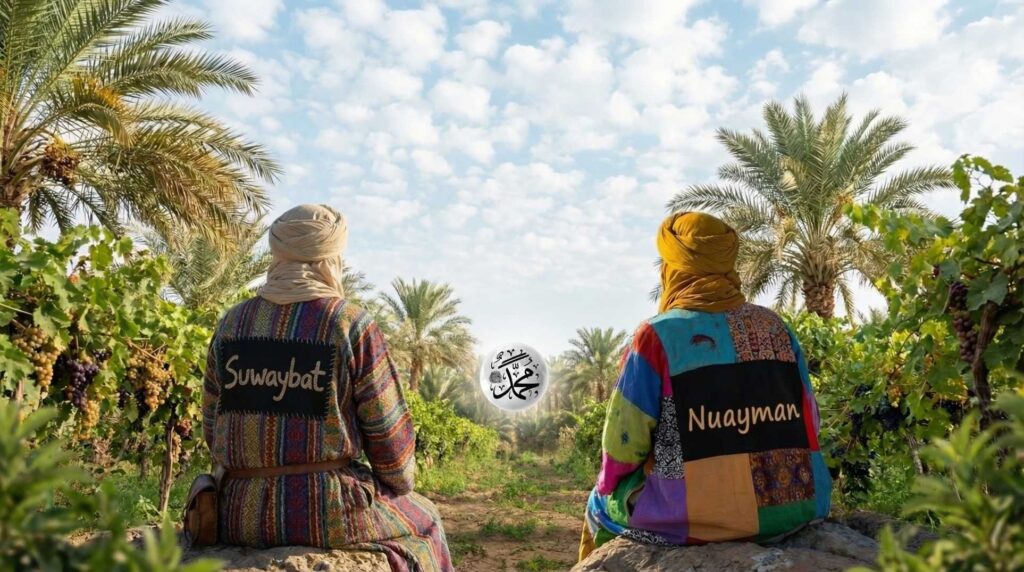
The Ansar were the native people of Madinah who welcomed the Muslim migrants. Among them were wealthy and respected men. One such man was Abu Dahdah al-Ansari, also known by his actual name Thabit ibn Dahdah (some scholars also record his name as Thabit ibn al-Dahdah). He was a successful merchant and farmer who owned one of the most beautiful and well-known gardens in all of Madinah.
Who Was Abu Dahdah (RA)?
Abu Dahdah (RA) was from the Ansar of Madinah. His full name as recorded by scholars such as Ibn Hajar al-Asqalani in Al-Isabah fi Tamyiz al-Sahabah is Abu al-Dahdah al-Ansari. Ibn Abd al-Barr, the great Andalusian scholar, mentions him in his famous biographical encyclopedia Al-Isti’ab fi Ma’rifat al-Ashab. His name appears across multiple traditions narrated by companions including Sayyidina Anas ibn Malik (RA), Jabir ibn Samurah (RA), and Abd al-Rahman ibn Abza (RA).
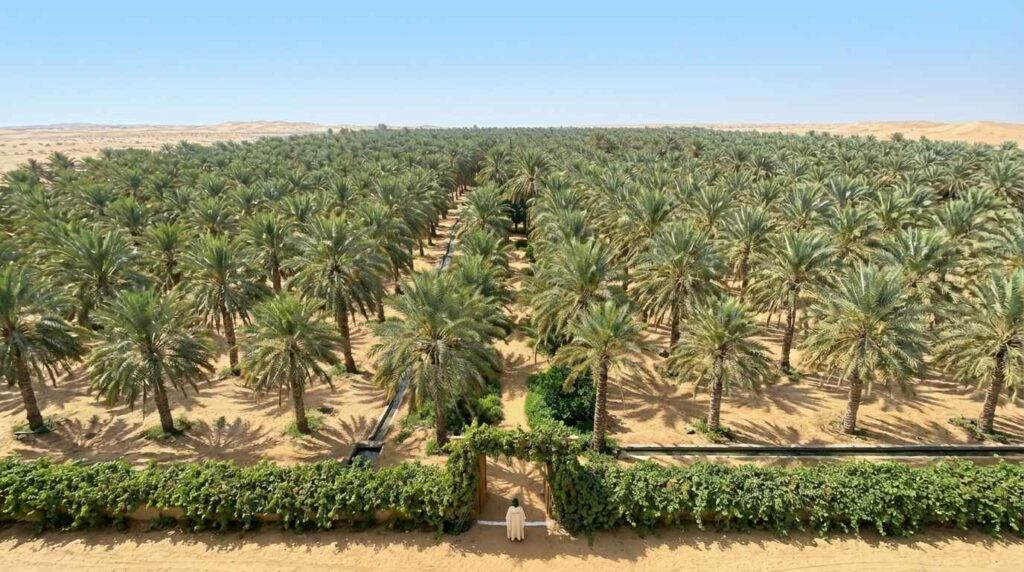
His garden was famous throughout Madinah. It contained around 600 date palms, a freshwater well, and his family home was built inside the same garden. This was not a small piece of land. This was a thriving estate, something people would dream of owning.
Reference: Ibn Hajar al-Asqalani, Al-Isabah fi Tamyiz al-Sahabah, Vol. 7 | Ibn Abd al-Barr, Al-Isti’ab fi Ma’rifat al-Ashab, entry: Abu al-Dahdah al-Ansari | Biographies of Sahabah confirmed by narrations from Anas ibn Malik (RA), Jabir ibn Samurah (RA), recorded in Musnad Ahmad.
Act One: The Orphan’s Problem and the Palm Tree
A Simple Construction Problem With a Big Consequence
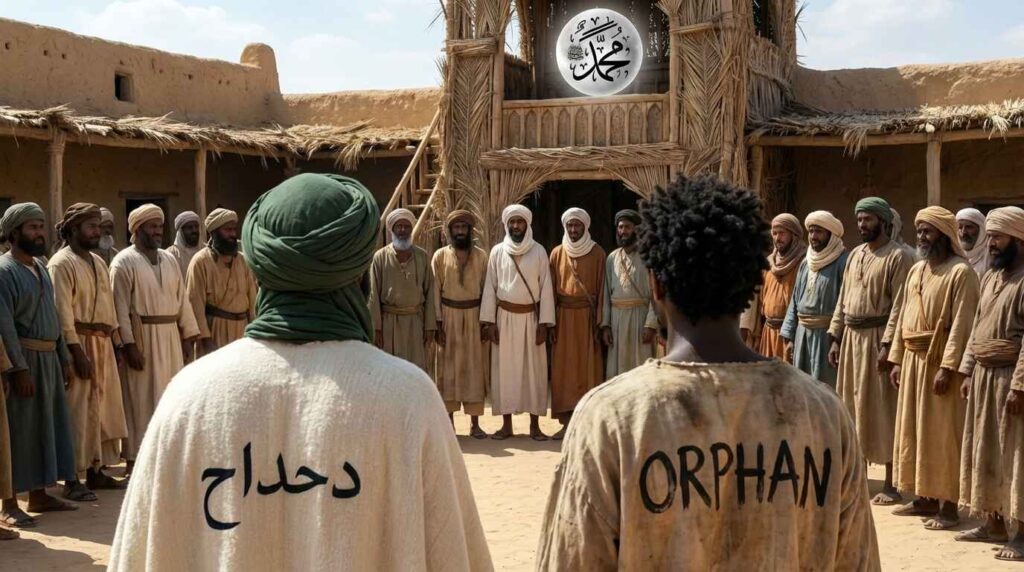
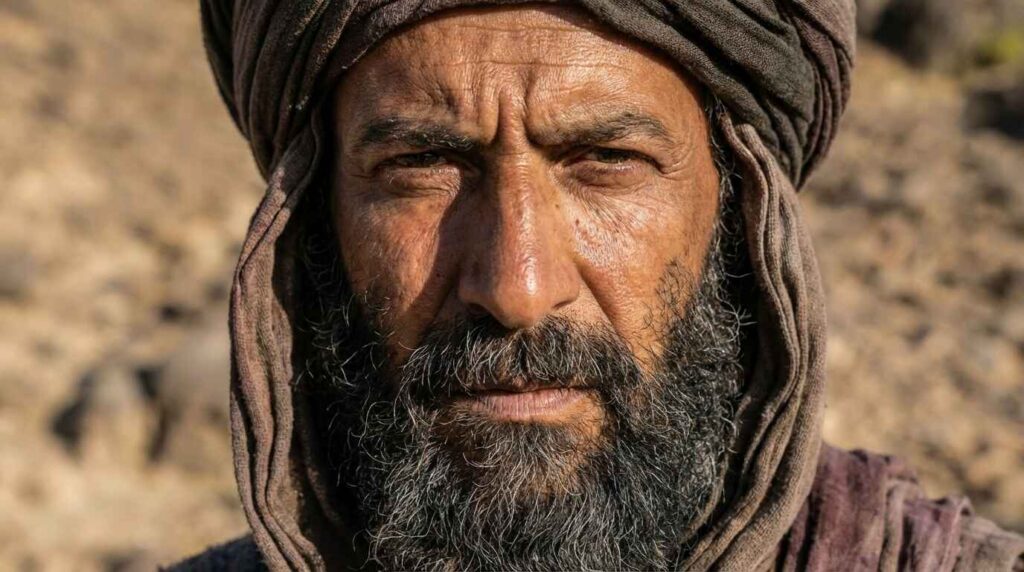
In Madinah, there was a young orphan boy who was building a wall around the boundary of his small property. He had no father to help him, no guardian to stand up for him, and very little means. As the wall went up, brick by brick, a problem appeared. A palm tree owned by a neighbor named Abu Lubabah (RA) was standing right in the path of where the wall needed to go. Without that tree being included in the boundary or moved, the wall could not be built straight.
The orphan boy, with great politeness, went to his neighbor and said: ‘Brother, please give me this tree so my wall can be built straight, or sell it to me.’ The neighbor refused. The boy asked again. He was refused again. He even offered to buy it. Still, a hard no.
Note on the neighbor: Some narrations do not name him at all. Some narrations, particularly the version recorded via the chain through Anas ibn Malik (RA) in Musnad Ahmad (Hadith 12504), do not specify the man’s name. The name ‘Abu Lubabah’ appears in other oral transmissions of this story, but because the primary hadith chain from Anas (RA) in Musnad Ahmad does not name him, we should mention this variation honestly. What is agreed upon by all versions is that this person refused multiple times, even after the Prophet (PBUH) personally asked him.
Reference: Musnad Ahmad, Hadith No. 12504, narrated by Anas ibn Malik (RA) | Ibn Hibban, Hadith No. 7159 | Authenticated in As-Silsila as-Sahiha by Shaykh Nasir al-Din al-Albani, Hadith No. 2964 | Also mentioned in: Al-Baghawi’s Sharh al-Sunnah.
The Orphan Goes to the Prophet (PBUH)
With tears in his eyes and nowhere else to turn, the orphan boy walked to the Prophet (PBUH) and told him everything. The Prophet (PBUH) is described in the narrations as listening with full attention. He then called for the neighbor. When the man came, the Prophet (PBUH) gently asked him: ‘Give this child your palm tree, and in return, Allah will give you a palm tree in Paradise.’
This was not a small offer. The Prophet (PBUH), the most truthful man who ever walked this earth, was personally guaranteeing a reward in the eternal life for the price of one tree on this earth. And yet, the man said no. The Prophet (PBUH) asked him again. He refused again. One narration records that the Prophet (PBUH) asked him three times, each time the man chose his one tree in this world over a tree in the next.
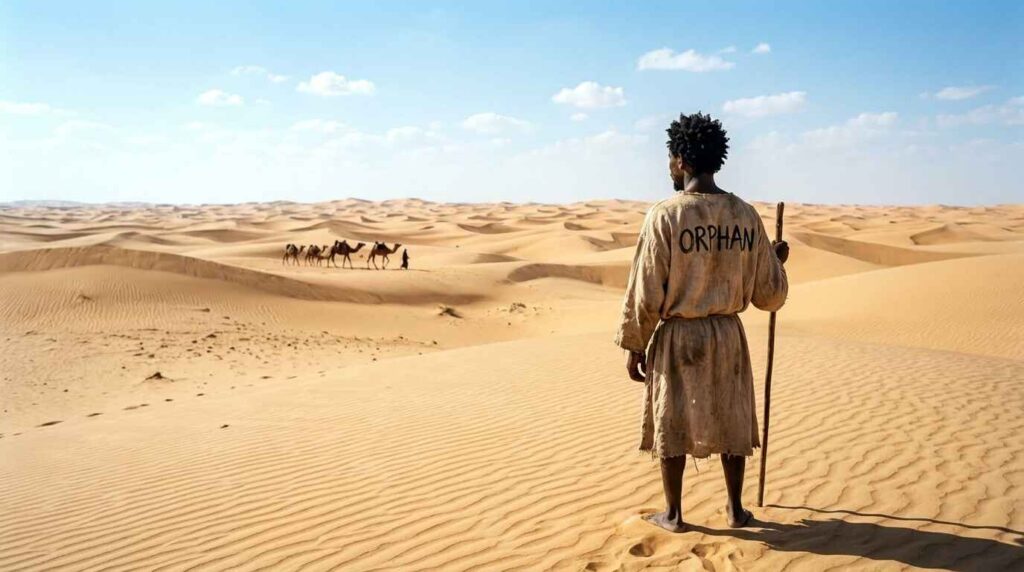
The orphan child began to cry. His small hope was crushed. And the Prophet (PBUH), who loved orphans deeply as stated in multiple Quranic verses and hadiths, fell silent. He could not force the man. Islamic law respects ownership. The Prophet (PBUH) had done what he could.
Reference: Musnad Ahmad, Hadith 12504 | Ibn Hibban, Sahih Ibn Hibban, Hadith 7159 | The Prophet’s (PBUH) deep care for orphans: Quran, Surah Al-Baqarah 2:220, Surah Al-Insan 76:8, and the famous Hadith: ‘I and the caretaker of an orphan will be like this in Paradise’ (Sahih al-Bukhari, Hadith 5304, narrated by Sahl ibn Saad RA).
Act Two: Abu Dahdah Steps Forward
A Moment That Changed History
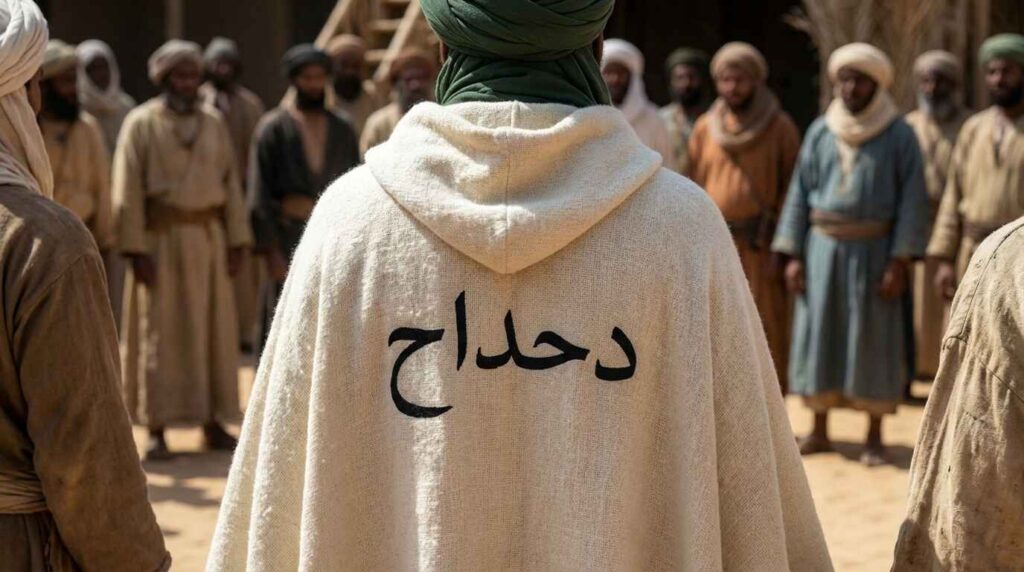
Abu Dahdah (RA) was sitting in the mosque when all of this happened. He watched. He listened. He saw the orphan cry. And something happened in his heart that most people never experience. He did not feel sorry and do nothing. He thought: ‘What if I could make this deal?’
He turned to the Prophet (PBUH) and asked: ‘O Messenger of Allah! If I buy that tree and give it to this orphan, will I have a palm tree in Paradise?’ The Prophet (PBUH) said: ‘Yes.’
That one word, ‘yes’, from the most truthful man in creation, was enough for Abu Dahdah (RA). He stood up immediately and went after the neighbor.
The Greatest Trade Deal in Madinah’s History
Abu Dahdah (RA) found the neighbor and said to him plainly: ‘You know my garden? The big one, with 600 date palms, the well, and the house inside it?’ The man said: ‘Of course. Who in Madinah doesn’t know it?’ Abu Dahdah said: ‘It is yours. All of it. In exchange for your one palm tree.’
The man stopped. He could not believe what he was hearing. An entire estate, perhaps the finest in Madinah at the time, for one tree? He thought Abu Dahdah must have lost his mind. But Abu Dahdah was serious, and he called witnesses on the spot so that the exchange would be legal and binding.
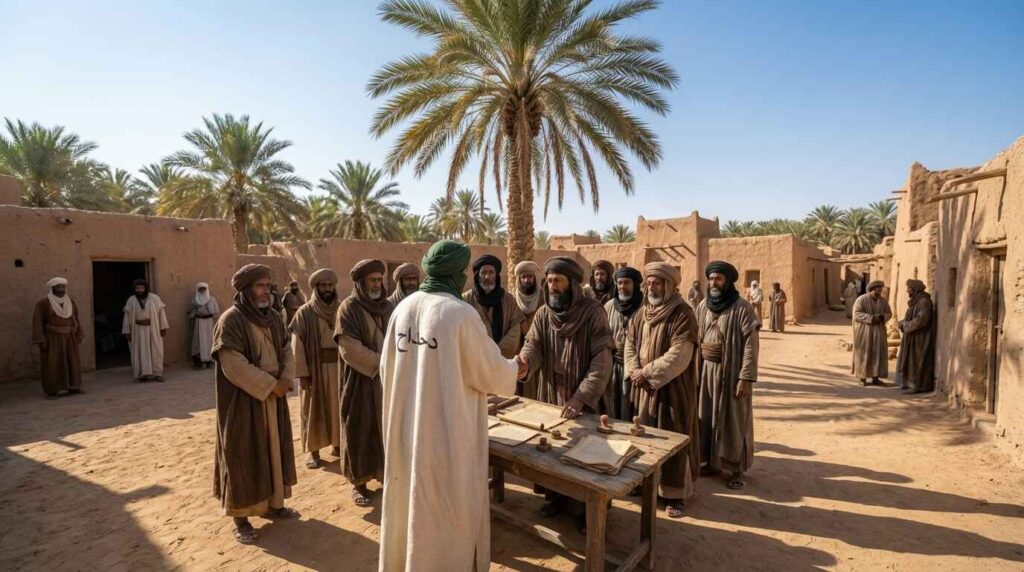
The neighbor agreed, of course. And with that, Abu Dahdah (RA) went to the orphan boy, handed him the palm tree, and told him: ‘Build your wall, child. The tree is yours.’ Just like that, an orphan’s tears were wiped away.
Reference: Musnad Ahmad, Hadith 12504 | Ibn Hibban, Hadith 7159 | As-Silsila as-Sahiha (Albani), Hadith 2964 | Also referenced in: Tafsir Ibn Kathir, commentary on Surah Al-Baqarah, Verse 245, under the section ‘The Encouragement to Give a Good Loan in the Cause of Allah’. Published edition: Dar Taybah, Riyadh, Vol. 1, commentary on Verse 2:245.
Act Three: The Prophet’s (PBUH) Response
Joy That Repeated Itself
When the news reached the Prophet (PBUH), he was filled with happiness. The narration recorded by Anas ibn Malik (RA) in Musnad Ahmad tells us that the Prophet (PBUH) began saying:
كَمْ مِنْ عَذْقٍ مُدَلَّى لِأَبِي الدَّحْدَاحِ فِي الْجَنَّةِ
“How many hanging clusters of dates are there in Paradise for Abu Dahdah!”
And then he said it again. And again. Anas ibn Malik (RA), the narrator, specifically says that the Prophet (PBUH) did not say this once or twice or three times. He kept repeating it, joyfully, as if he could already see those clusters of dates waiting for his companion in the gardens of Jannah.
In another narration, preserved in Tafsir Ibn Kathir under the commentary of Surah Al-Baqarah 2:245, the Prophet (PBUH) is reported to have said:
رُبَّ نَخْلَةٍ مُدَلَّاةٍ عُرُوقُهَا دُرٌّ وَيَاقُوتٌ لِأَبِي الدَّحْدَاحِ فِي الْجَنَّةِ
“How many a lowered date cluster, whose roots are of pearls and rubies, are there for Abu Dahdah in Paradise!”
This was not just a glad tiding. This was a description of the actual reward. The Prophet (PBUH) was painting a picture of what awaited this one man who chose one orphan’s wall over his entire estate in this world.
Reference: Musnad Ahmad, Hadith 12504, narrated by Anas ibn Malik (RA) | Tafsir Ibn Kathir, commentary on Surah Al-Baqarah 2:245, under ‘The Encouragement to make a Handsome Loan in the Cause of Allah’, Dar Taybah edition, Vol. 1, page on Verse 2:245 | Ibn Hibban, Sahih Ibn Hibban, Hadith 7159 | Also referenced with chains from: Jabir ibn Samurah (RA), Umar ibn al-Khattab (RA), Abd al-Rahman ibn Abza (RA), and the Mursal narrations of Sa’id ibn al-Musayyab and al-Sha’bi, as listed in the biographical entry on Abu Dahdah (RA).
Act Four: Going Home With Nothing
The Walk to a Garden He No Longer Owned
After receiving the Prophet’s glad tidings, Abu Dahdah (RA) walked toward his garden. But when he reached the gate, he stopped. He did not walk in. Some scholars and narrators explain this detail beautifully: he stopped at the door because this was no longer his garden. He had sold it. And he did not want to walk through what belonged to someone else. He also, as some narrations suggest, did not want to stand inside that beautiful place he had loved for years and risk having his heart waver, even slightly.
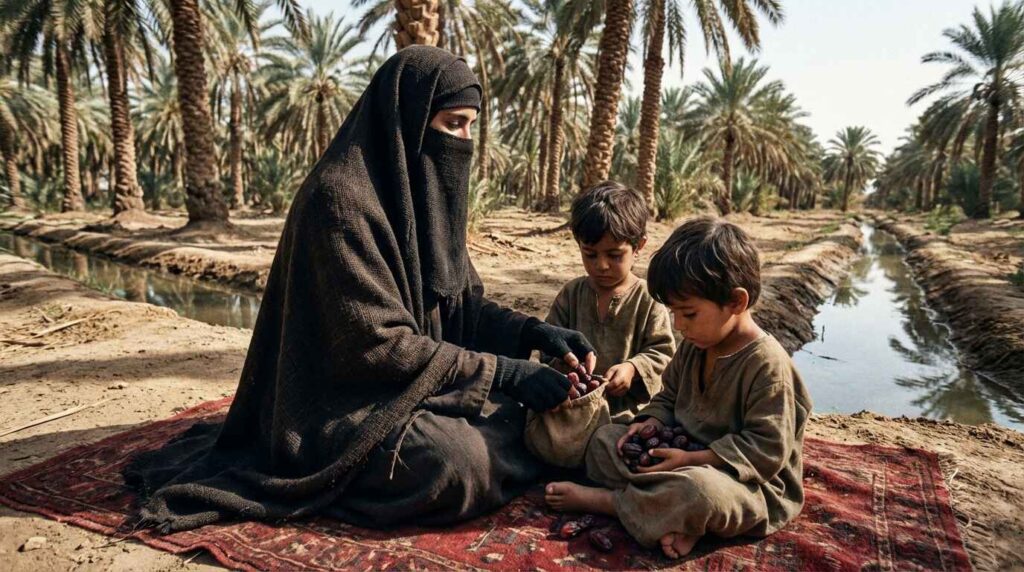
He stood at the gate and called out to his wife: ‘O Umm Dahdah! Come outside. I have sold this garden to my Lord.’
The Woman Whose Words Became History
Umm Dahdah (RA) came out. She knew what this garden was. She knew what it meant to the family. Her children played in it. She drew water from its well. Her home was inside its walls. Everything they had was there.
And then her husband told her he had traded all of it for one palm tree, for an orphan he barely knew.
Her response? Not anger. Not tears. Not fear. She said:
“What a profitable trade, O Abu Dahdah! What a successful transaction you have made!”
Then without missing a moment, she turned to her children. They had been playing in the garden and some of them were holding dates they had picked. She went to each child, took the dates from their hands and from their pockets, and placed them back inside the garden. She told her children: ‘These are not ours anymore. They belong to Allah now.’
This response of Umm Dahdah (RA) is considered by scholars to be one of the most remarkable examples of a Muslim wife’s faith, wisdom, and strength in all of Islamic history. She did not need to be convinced. She did not argue. She understood instantly that her husband had made the best deal possible.
Reference: Musnad Ahmad, Hadith 12504 | Ibn Hibban, Hadith 7159 | As-Silsila as-Sahiha, Hadith 2964 | Tafsir Ibn Kathir, Surah Al-Baqarah 2:245, Dar Taybah edition | The conversation between Abu Dahdah and Umm Dahdah is preserved in the narration of Anas ibn Malik (RA) with supporting mention in the report connected to Ibn Mas’ud (RA) recorded in Ibn Abi Hatim’s Tafsir, also cited in Tafsir Ibn Kathir under the same verse.
The Quran Connection: Surah Al-Baqarah 2:245
A Verse That Came Down For This Moment
Islamic scholars, including Imam Ibn Kathir in his famous Tafsir (Quranic commentary), connect the story of Abu Dahdah directly to a verse in Surah Al-Baqarah:
مَّن ذَا الَّذِي يُقْرِضُ اللَّهَ قَرْضًا حَسَنًا فَيُضَاعِفَهُ لَهُ أَضْعَافًا كَثِيرَةً
“Who is he that will lend Allah a good loan, so that He may multiply it for him many times over? And it is Allah who decreases and increases, and to Him you will be returned.” (Quran 2:245)
According to Ibn Abi Hatim’s narration, cited by Ibn Kathir, when this verse was revealed, Abu Dahdah al-Ansari (RA) came to the Prophet (PBUH) and asked: ‘O Messenger of Allah, does Allah ask us for a loan?’ The Prophet (PBUH) confirmed it. Abu Dahdah then stretched out his hand to the Prophet (PBUH) and pledged his garden: ‘I have given this garden as a loan to my Lord.’
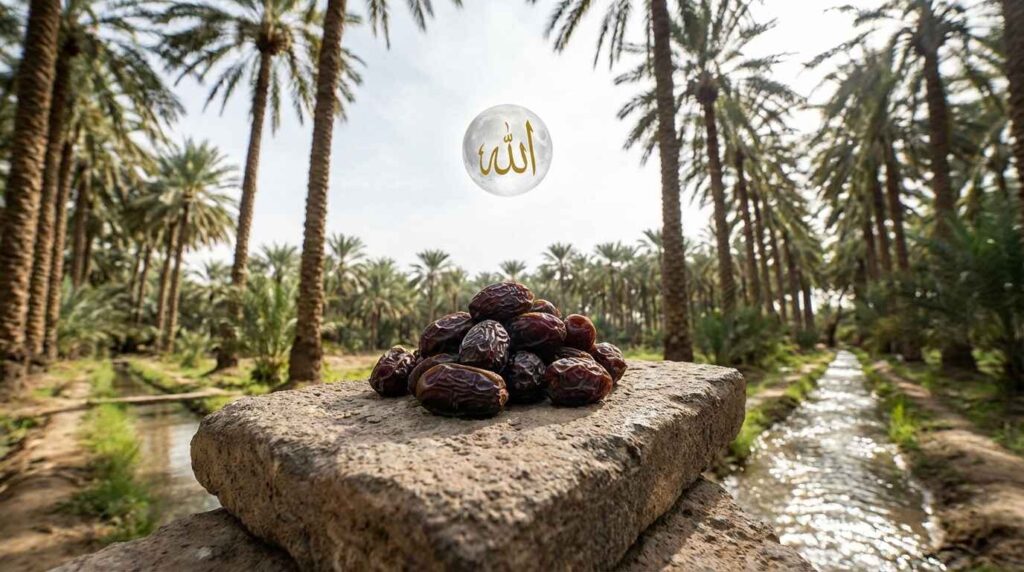
The verse of Surah Al-Baqarah 2:245 and the story of Abu Dahdah are thus bound together in classical Islamic scholarship. The act of giving your best wealth in the way of Allah, for no worldly return, is called ‘Qard Hasan’ (a beautiful loan to Allah). Abu Dahdah personified this concept completely.
Reference: Tafsir Ibn Kathir, Surah Al-Baqarah, Verse 245 | Commentary: ‘The Encouragement to Make a Handsome Loan in the Cause of Allah’ | Narration of Ibn Mas’ud (RA) via Ibn Abi Hatim, cited in Tafsir Ibn Kathir | Dar Taybah edition, Riyadh, Vol. 1. Also see: Ma’arif al-Quran by Mufti Muhammad Shafi (RA), Surah Al-Baqarah, Verse 245, where the same incident is referenced in the context of Qard Hasan.
Hadith Authenticity: How Reliable Is This Story?
The Main Chain of Narration
This is one of the most important questions a serious Muslim reader should ask. How authentic is this story? Let us be honest and clear.
The primary hadith is narrated by Sayyidina Anas ibn Malik (RA), the famous companion who served the Prophet (PBUH) for ten years. It is recorded in Musnad Ahmad ibn Hanbal, Hadith No. 12504. Musnad Ahmad is one of the largest and most important hadith collections in Islam. Imam Ahmad ibn Hanbal (d. 241 AH / 855 CE) compiled it and stated: ‘I did not include a hadith in this book except that it was used as evidence by some scholars.’
The same core story is also found in Sahih Ibn Hibban (Hadith 7159), which is considered a very high-grade authentic collection by Islamic scholars. It was also declared Sahih (authentic) by the great 20th-century hadith scholar Shaykh Muhammad Nasir al-Din al-Albani in his compilation As-Silsila as-Sahiha (The Authentic Chain), Hadith No. 2964.
Supporting narrations (Shawahid) come from multiple companions including Jabir ibn Samurah (RA), Umar ibn al-Khattab (RA), and Abd al-Rahman ibn Abza (RA), as documented in the biographical sources on Abu Dahdah. This multi-chain support further strengthens the reliability of the story.
What Islamic Scholars Say About This Hadith
Imam al-Baghawi includes this narration in his Sharh al-Sunnah. Al-Hakim also relates it. Imam al-Albani authenticated it explicitly. The Tafsir tradition (Ibn Kathir, Ma’arif al-Quran) relies on it directly under the commentary of Surah Al-Baqarah 2:245. There is no known scholar who has declared this story a fabrication or israili riwayah (a story borrowed from Jewish or Christian sources). It is a fully Islamic narration with a Muslim chain going back to the Prophet (PBUH) through Anas ibn Malik (RA).
Note: Some versions circulating online mix up the names (calling the neighbor ‘Abu Lubabah’ or confusing Abu Dahdah with Abu Darda). We have relied strictly on the classical hadith texts and biographies of companions to present the most accurate account.
Hadith Sources Summary: (1) Musnad Ahmad, Hadith 12504, narrated by Anas ibn Malik (RA). (2) Sahih Ibn Hibban, Hadith 7159. (3) As-Silsila as-Sahiha by Shaykh al-Albani, Hadith 2964. (4) Al-Baghawi, Sharh al-Sunnah. (5) Tafsir Ibn Kathir under Surah Al-Baqarah 2:245 (Dar Taybah, Riyadh). (6) Ma’arif al-Quran by Mufti Muhammad Shafi, under 2:245. Scholar grade: Sahih (Authentic).
Abu Dahdah After This Story: A Life Completed in Faith
Martyrdom at Uhud
The story of Abu Dahdah (RA) did not end with his garden. He continued his life in the service of Islam. According to the biographical sources, Abu Dahdah al-Ansari (RA) was martyred on the Day of Uhud (3 AH / 625 CE), the famous battle in which the Muslims faced a serious military setback against the Quraysh of Makkah.
After his martyrdom, Jabir ibn Samurah (RA) narrates that the Prophet (PBUH) performed the funeral prayer (Salat al-Janazah) for Ibn al-Dahdah (the son of Dahdah, likely referring to the family). After the prayer, a horse without a saddle was brought to the Prophet (PBUH). He mounted it and rode, and those around him ran after him. As he rode, people heard him saying again: ‘How many hanging clusters of dates are there for Ibn al-Dahdah in Paradise!’ This is recorded in the same biographical entry referenced by Islamic scholars.
This mention after the martyrdom shows that the Prophet (PBUH) never forgot what Abu Dahdah had done for that one orphan. And his reward was not just a tree. It was clusters upon clusters of dates in a Paradise that will last forever.
Reference: Jabir ibn Samurah (RA) narration, cited in the biographical entry on Abu al-Dahdah al-Ansari in classical Sahaba biographies including: Usd al-Ghabah fi Ma’rifat al-Sahabah by Ibn al-Athir, Vol. 6, entry on Abu al-Dahdah | Al-Isabah fi Tamyiz al-Sahabah by Ibn Hajar al-Asqalani, Vol. 7 | Battle of Uhud: 3 AH, confirmed in Sirah literature including Ibn Hisham’s Al-Sirah al-Nabawiyyah.
Lessons From This Story: What Can We Learn?
Lesson 1: The Value of an Orphan in Islam
The Prophet (PBUH) personally intervened for one orphan child and a single palm tree. Islam does not treat the welfare of orphans as a minor issue. The Quran commands believers to honor and protect orphans in at least six different surahs. The Prophet (PBUH) said: ‘I and the caretaker of an orphan will be like this in Paradise,’ holding up his index finger and middle finger together. (Sahih al-Bukhari, Hadith 5304, narrated by Sahl ibn Saad RA)
Lesson 2: The Danger of Choosing This World Over the Next
The neighbor who refused the Prophet’s offer teaches us something painful. It is possible to be physically close to the Prophet (PBUH), to hear the glad tidings from his own mouth, and still choose a handful of dust over Paradise. Love of this world (Hubb al-Dunya) is one of the diseases that Islam most seriously warns against. It is not the amount you own that matters. It is how tightly you hold it.
Lesson 3: Opportunity Does Not Wait
Abu Dahdah did not go home to think about it. He did not say ‘let me pray istikhara for six months.’ He heard the opportunity, asked one question, got one answer, and acted. The doors of good deeds open and close. A person who hesitates out of greed or fear often finds that the moment has passed.
Lesson 4: A Righteous Wife Is a Greatest Blessing
Umm Dahdah (RA) could have cried. She could have argued. She could have asked her husband to take the garden back. Instead, she smiled, praised the deal, and even made her children return the dates they had taken. This is what a faith-filled spouse does. She did not just support her husband. She completed his sacrifice and made it spiritually perfect.
Lesson 5: Real Generosity Has a Cost
Abu Dahdah did not give what was easy. He gave what was most dear to him. This is the standard set by Islam. Giving something you don’t need is kind. Giving something you love, something that costs you, is generosity. The Quran says in Surah Aal-Imran (3:92): ‘You will never attain righteousness until you spend from what you love.’
Quranic Reference: Surah Aal-Imran 3:92 | Surah Al-Baqarah 2:177 (spending on orphans) | Surah Al-Insan 76:8 (feeding the orphan and prisoner for the love of Allah) | Hadith on orphan caretaker: Sahih al-Bukhari, Kitab al-Adab, Hadith 5304, narrated by Sahl ibn Sa’d (RA).
Conclusion: A Palm Tree That Never Stops Growing
One orphan. One palm tree. One wall. These were the small pieces of this story. But what came out of it was enormous. A child’s tears were wiped away. A man’s generosity became a lesson that Muslims still teach and learn 1,400 years later. A woman’s faith became a model for every Muslim wife. And a Prophet’s repeated, joyful announcement of dates hanging in Paradise for Abu Dahdah (RA) became a hadith that scholars preserved across generations.
Abu Dahdah (RA) walked away from his garden with nothing in his hands. No house. No trees. No well. But he walked toward something far greater: the pleasure of Allah, the gladness of the Prophet, and a garden in Paradise whose date clusters are made of pearls and rubies and will last forever.
The neighbor kept his tree. Abu Dahdah kept his place in Jannah.
And the question Islam leaves with every reader is simple: Which one would you have chosen?
Complete Reference List for This Article
Hadith Collections
1. Musnad Ahmad ibn Hanbal, Hadith No. 12504, narrated by Anas ibn Malik (RA). Dar al-Risalah al-Alamiyya edition.
2. Sahih Ibn Hibban (Ihsan arrangement by Ibn Balban), Hadith No. 7159.
3. As-Silsila as-Sahiha (The Authentic Chain) by Shaykh Muhammad Nasir al-Din al-Albani, Hadith No. 2964. Maktabat al-Ma’arif, Riyadh.
4. Al-Baghawi, Sharh al-Sunnah, commentary on chapters related to generosity and the rights of orphans.
5. Sahih al-Bukhari, Hadith No. 5304, narrated by Sahl ibn Sa’d (RA), on the caretaker of the orphan.
Quranic Tafsir (Commentary) Sources
6. Tafsir Ibn Kathir (Tafsir al-Quran al-Azim) by Imam Ismail ibn Kathir al-Dimashqi (d. 774 AH). Commentary on Surah Al-Baqarah, Verse 245. Dar Taybah edition, Riyadh.
7. Ma’arif al-Quran by Mufti Muhammad Shafi Usmani (d. 1976 CE). Surah Al-Baqarah, Verse 245 commentary. Maktaba-e-Darul-Uloom, Karachi.
8. Tafsir al-Baghawi (Ma’alim al-Tanzil) by Imam al-Husayn ibn Mas’ud al-Baghawi (d. 510 AH). Surah Al-Baqarah commentary.
Biographical Works (Sahabah Biographies)
9. Al-Isabah fi Tamyiz al-Sahabah by Imam Ibn Hajar al-Asqalani (d. 852 AH), Vol. 7, entry on Abu al-Dahdah al-Ansari. Dar al-Kutub al-Ilmiyya, Beirut.
10. Al-Isti’ab fi Ma’rifat al-Ashab by Ibn Abd al-Barr al-Andalusi (d. 463 AH), entry on Abu al-Dahdah. Dar al-Jil, Beirut.
11. Usd al-Ghabah fi Ma’rifat al-Sahabah by Ibn al-Athir al-Jazari (d. 630 AH), Vol. 6, entry on Abu al-Dahdah al-Ansari. Dar Ibn Hazm, Beirut.
Quran Verses Referenced
12. Surah Al-Baqarah 2:245 (Qard Hasan / Beautiful Loan to Allah)
13. Surah Aal-Imran 3:92 (Spending from what you love)
14. Surah Al-Insan 76:8 (Feeding orphan for love of Allah)
15. Surah Al-Baqarah 2:220 (Rights and care of orphans)
Note: No Isra’iliyyat (narrations borrowed from Jewish or Christian sources) have been used in this article. All references are from within the authenticated Muslim hadith and Quranic commentary tradition.
May Allah (SWT) make us among those who give for His sake without counting the cost. Ameen.